Best Rugs for Underfloor Heating
You can absolutely have a rug over underfloor heating – you just need to keep the tog low and the pile thin. Here's exactly what works, what doesn't, and why.
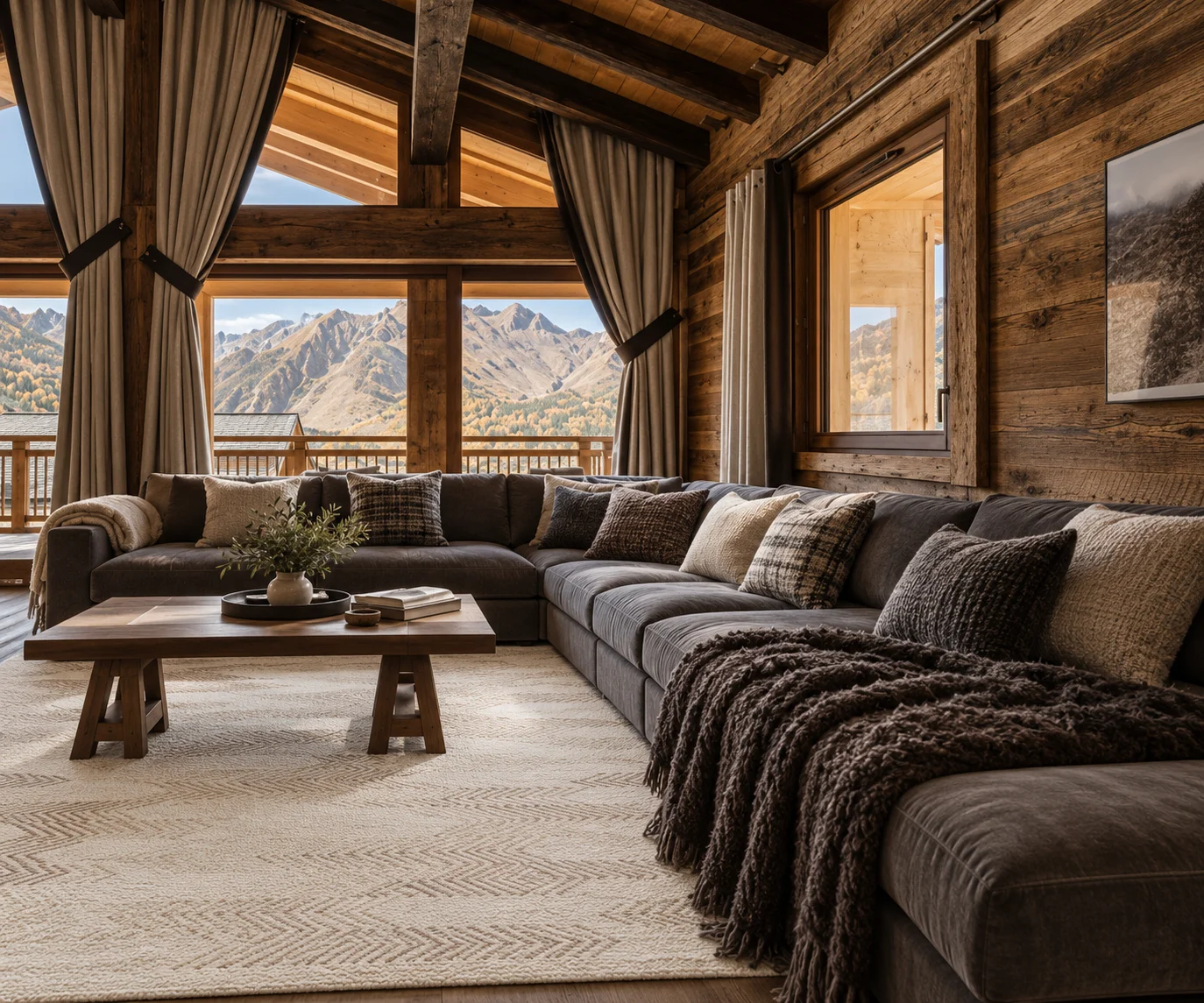
The Tog Rule (and Why It Matters)
Tog measures thermal resistance – the higher the number, the more heat the rug traps. Underfloor heating manufacturers almost universally specify a maximum combined tog of 2.5 for rug and underlay together. Above that, heat backs up under the rug, the system works harder, your floor's temperature limiter may trip, and over time the heating cables can be stressed.
For context: a typical low-pile wool rug is 1.0–1.5 tog. A shaggy or high-pile wool rug can hit 4.0+. The difference is huge.
The Best Materials
Wool flatweave (best overall)
Wool is naturally heat-tolerant, breathable, and doesn't off-gas when warmed. A flatweave or low-pile wool rug is the gold standard for underfloor heating – warm to look at, low tog, and durable for decades. Read our flatweave rugs guide for more on the construction.
Cotton flatweave
Even thinner than wool flatweave, cotton is fine on underfloor heating but wears faster in heavy-traffic rooms. Best for bedrooms and snugs.
Jute and natural fibres (with caution)
Jute works on underfloor heating provided the pile is short, but the fibres can dry out and become brittle if the floor runs hot. Keep the floor temperature moderate and consider our jute rugs guide for placement advice.
What to Avoid
- ×Shaggy and high-pile rugs. Trap heat. Push you past the 2.5 tog ceiling on their own.
- ×Rubber and foam backings. Degrade with sustained warmth – the backing can break down and stick to the floor.
- ×Thick felt or memory-foam underlays. Add too much tog. Use a thin, breathable underlay rated for underfloor heating instead.
- ×Heavy viscose blends. Viscose handles heat poorly and can yellow or stiffen over time on warm floors.
Practical Setup Tips
- Check the rug's tog first. If the maker doesn't publish a figure, choose a flatweave or low-pile wool – you'll be safe.
- Use an underfloor-heating-rated underlay. These are thin, breathable, and grippy. Avoid generic felt pads.
- Start the heating slowly. When you switch on a fresh system, ramp temperature up over a few days so the rug and floor settle together.
- Keep the floor temperature moderate. 26–28 °C is comfortable and well below any rug's tolerance.
Sizing Advice
Standard sizing rules still apply – see our UK rug size guide for living rooms, bedrooms and dining rooms. If your underfloor heating is partial (e.g. only under a seating zone), keep the rug within that zone rather than letting it overhang onto colder bare floor.
Frequently Asked Questions
Low-profile rugs for underfloor heating
Thin, hand-woven wool flatweaves let warmth through while softening the floor.
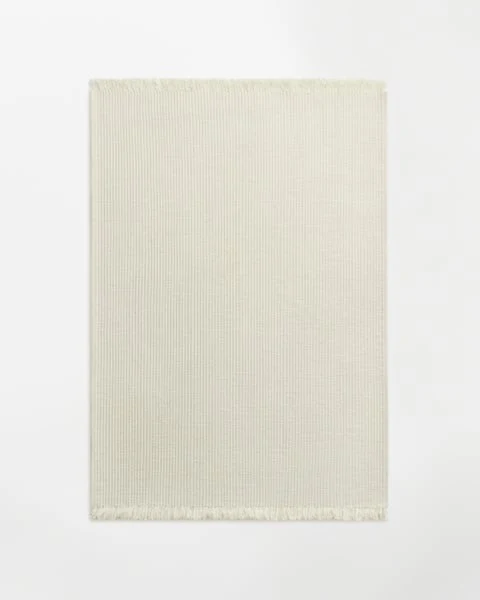

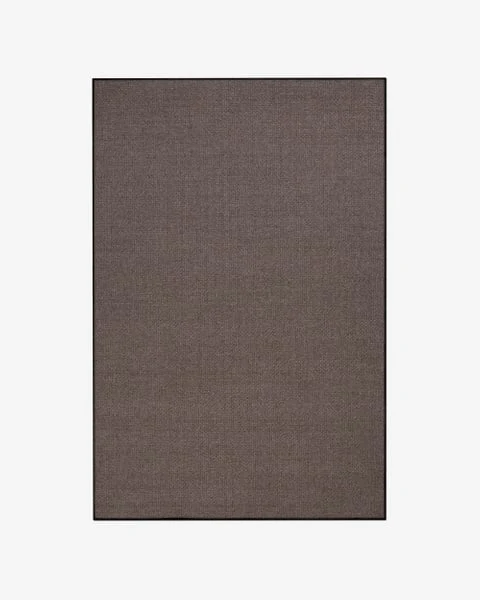

Need a different size? Every rug can be made to your exact measurements – order a custom-size rug.
Rugs That Work with Underfloor Heating
Hand-woven wool flatweaves and low-pile rugs, made to your exact size and shipped worldwide.